In a world increasingly dominated by digital screens, the timeless craft of paper art continues to captivate hearts and minds like never before. From ancient scrolls to contemporary installations, paper has evolved beyond its humble origins to become a dynamic medium of expression and innovation.
Recent trends reveal a fascinating blend of tradition and modernity, with artists pushing the boundaries of what can be created from a simple sheet. If you’ve ever wondered how paper art has transformed through the ages and why it still holds such a unique charm today, you’re in for an intriguing journey.
Let’s dive into the captivating evolution of this delicate yet powerful art form.
The Everlasting Allure of Paper as an Artistic Medium
Paper’s Unique Tangibility in a Digital Era
In a world swamped by screens and pixels, paper art offers a refreshing tactile experience that digital art simply can’t replicate. There’s something incredibly grounding about holding a piece of paper, feeling its texture, and witnessing how it folds, tears, or catches light.
From my own experience attending art shows, the moment you touch a paper sculpture or flip through an artist’s handmade book, you connect with the creator’s intent on a much more intimate level.
This physicality bridges a gap that digital art often leaves untouched, making paper art feel more personal and authentic.
How Tradition Continues to Inspire Innovation
While paper art’s roots stretch back centuries, contemporary artists constantly reinvent its possibilities. Traditional techniques like origami, paper cutting, and marbling still hold strong, but they now blend seamlessly with modern approaches—think laser cutting, mixed media, and interactive installations.
Artists today aren’t just folding paper; they’re layering it with new materials, using it as a canvas for projection, or even making it a structural element in large-scale works.
This marriage of old and new techniques fascinates me because it shows how tradition fuels creativity rather than stifling it.
The Emotional Connection Paper Art Evokes
Paper art’s charm often lies in its fragility and impermanence, evoking emotions tied to nostalgia, memory, and mindfulness. I’ve noticed that many artists intentionally highlight paper’s delicate nature to convey vulnerability or fleeting moments.
When you see a paper flower sculpture or a hand-cut scene, it feels like a frozen breath in time—beautiful but transient. This ephemeral quality invites viewers to slow down, appreciate the moment, and reflect, which feels especially valuable in today’s fast-paced culture.
Breaking Boundaries: New Frontiers in Paper Art
Exploring Scale: From Miniatures to Monumental
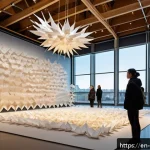
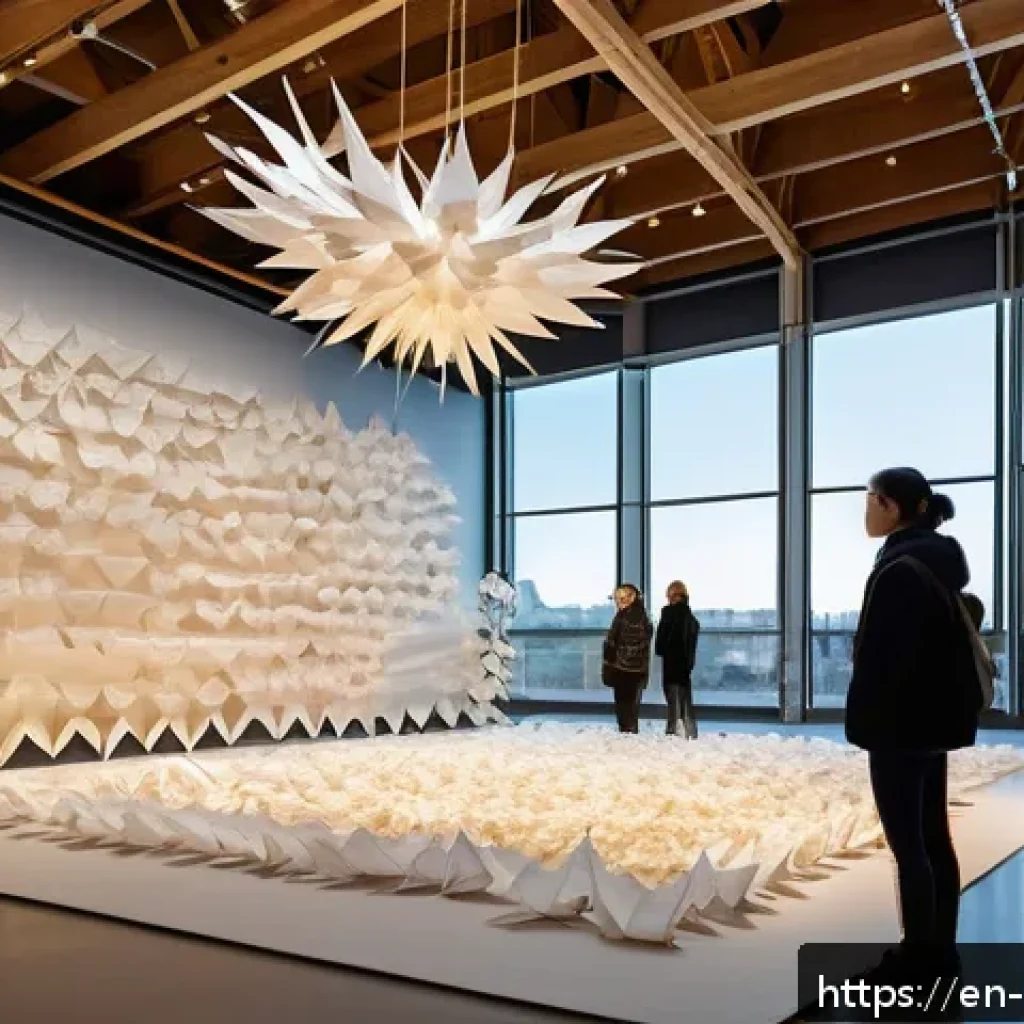
Paper art has shattered any preconceived notions about scale. Some artists create microscopic paper sculptures so detailed you need a magnifying glass to appreciate them, while others build monumental installations that fill entire galleries or outdoor spaces.
I recall visiting an exhibit where giant paper cranes hovered from the ceiling, transforming the entire room into an immersive experience. These extremes in scale challenge viewers’ perceptions and showcase paper’s versatility—it’s not just a small craft material but a medium for grand artistic statements.
Technology’s Role in Shaping Modern Paper Creations
Cutting-edge technology has revolutionized how artists manipulate paper. Laser cutting machines, 3D printers using paper pulp, and digital design software enable precision and complexity never possible by hand alone.
Having seen live demonstrations, I’m amazed at how artists combine manual craftsmanship with technology to produce intricate patterns and layered textures that pop off the page.
This hybrid approach pushes paper art into a futuristic realm while still honoring its hands-on origins.
Interactive and Functional Paper Art
Paper art isn’t just for display—it’s increasingly interactive and functional. Think of pop-up books that tell stories with moving parts, paper furniture that can be assembled and used, or wearable paper fashion.
Experiencing these pieces firsthand is unforgettable because they invite participation and challenge conventional ideas about what art can be. I’ve even come across paper installations that respond to touch or sound, blurring the lines between art, design, and technology.
Mastering Techniques: From Ancient Craft to Modern Mastery
Traditional Paper Folding and Cutting
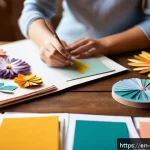
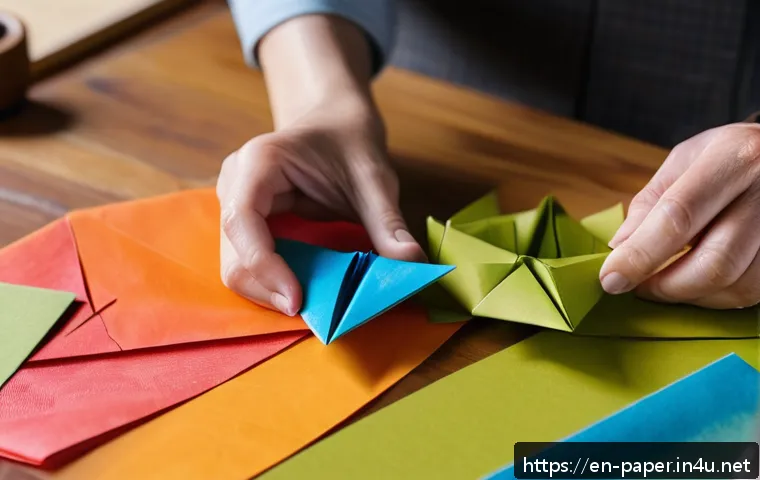
Origami and papercutting remain foundational skills in paper art. The precision and patience required are immense—something I’ve tried myself and quickly realized how challenging it can be.
These methods demand both technical skill and artistic vision, as every fold or cut impacts the final form. Artists often develop unique folding sequences or cutting patterns that become their signature styles, showing how centuries-old practices continue to evolve.
Layering and Texture Creation
Layering paper to create depth and texture adds another dimension to this art form. Some artists glue or stitch multiple sheets to build relief effects, while others crumple, emboss, or paint the paper surface to enhance tactile interest.
I once worked on a collaborative paper art project where layering was key to creating a landscape that felt almost three-dimensional. This technique allows paper to transcend its flat nature and become something truly sculptural and immersive.
Incorporating Mixed Media
Combining paper with other materials—like fabric, metal, or resin—opens new creative avenues. These mixed-media works often challenge the fragility stereotype of paper by adding strength or shine, creating striking contrasts.
I remember a gallery exhibit featuring paper flowers with wire stems and glass beads, which gave the pieces both delicacy and durability. This fusion not only broadens artistic expression but also attracts diverse audiences intrigued by the unexpected.
The Cultural Tapestry Woven Through Paper Art
Global Traditions and Regional Styles
Paper art reflects a rich cultural mosaic worldwide. From Japanese washi paper crafts to Mexican papel picado, each region infuses its art with unique symbolism and history.
Exploring these traditions reveals how paper serves as a cultural storyteller, preserving heritage and identity. I find it fascinating how some techniques travel and adapt, like how origami has inspired artists across continents to reinterpret folding in their own cultural contexts.
Paper Art as a Medium for Social Commentary
Many contemporary artists use paper art to address social and political issues, harnessing its accessibility and symbolism. Paper’s fragility can represent vulnerability or resilience, while its commonness makes it a relatable material for audiences.
I’ve seen installations that critique environmental destruction using recycled paper, or artworks that explore identity and migration through layered paper narratives.
This socially engaged dimension gives paper art a powerful voice beyond aesthetics.
Festivals and Community Engagement
Paper art often thrives in communal settings—festivals, workshops, and collaborative projects bring people together to create and celebrate. Participating in these events myself has shown me how paper art can foster connection and creativity across ages and backgrounds.
Whether it’s making paper lanterns for a cultural festival or co-creating a large mural, the process is as meaningful as the final product, reinforcing paper art’s role in community building.
The Science and Sustainability Behind Paper Art
Eco-Friendly Materials and Practices
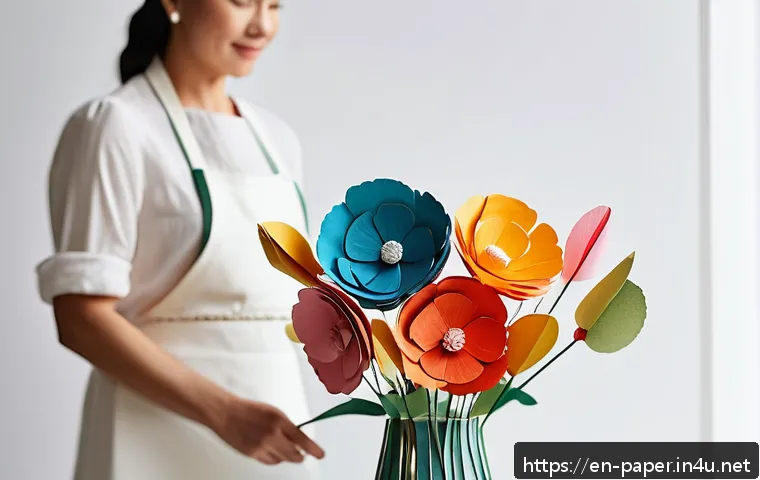
Sustainability is increasingly important in the paper art world. Many artists now prioritize using recycled or sustainably sourced paper, reducing waste, and adopting environmentally conscious methods.
From what I’ve learned, this eco-awareness not only aligns with global green movements but also adds conceptual depth to the artworks. Paper, after all, comes from trees, so artists often reflect on nature’s fragility through their medium choice.
Innovations in Paper Production
Advances in papermaking technology have expanded artistic possibilities. Handmade papers with unusual textures, colors, or embedded materials enable new creative effects.
I visited a studio where they demonstrated making paper infused with plant fibers and metallic flakes—these innovations inspire artists to experiment beyond conventional sheets.
Such developments highlight the intersection of craft, science, and art in paper creation.
Durability and Conservation Challenges
Despite its delicate nature, paper art can be surprisingly durable if properly cared for, but it also poses conservation challenges. Museums and collectors invest in specialized preservation techniques to prevent fading, brittleness, or insect damage.
Understanding these factors is crucial for artists and institutions alike to ensure the longevity of paper artworks. I’ve attended talks by conservators who emphasized balancing the paper’s ephemeral beauty with the desire to protect it for future generations.
Noteworthy Artists and Their Impact on Paper Art
Innovators Who Redefined Paper as Art
Several contemporary artists have been instrumental in elevating paper art to new heights. Artists like Peter Callesen, known for his intricate cut-paper sculptures, or Yulia Brodskaya, famous for her vibrant quilling works, showcase the medium’s expressive potential.
Encountering their works in galleries or online inspires me because they blend technical mastery with storytelling, proving paper art’s relevance in the fine art world.
The Role of Emerging Artists and Social Media
Social media platforms have become vital in popularizing paper art, allowing emerging artists to share their creations globally. Watching time-lapse videos of paper crafting or tutorials has not only helped me appreciate the skill involved but also encouraged many hobbyists to try it themselves.
This digital exposure creates a supportive community and drives innovation, making paper art more accessible and appreciated worldwide.
Collaborations and Cross-Disciplinary Projects
Paper artists frequently collaborate with designers, architects, and technologists to push boundaries. These partnerships produce hybrid works that integrate paper with light, sound, or kinetic elements.
I’ve followed projects where paper installations respond to environmental data or change shape dynamically, merging art with science and design. These collaborations reflect the evolving landscape of paper art and its capacity to engage diverse fields.
| Aspect | Traditional Techniques | Modern Innovations |
|---|---|---|
| Scale | Small-scale origami, intricate cutouts | Monumental installations, large suspended sculptures |
| Technology | Hand folding and cutting | Laser cutting, 3D printing, digital design |
| Materials | Standard paper, handmade paper | Mixed media, recycled and eco-friendly papers |
| Purpose | Decorative, ritualistic, storytelling | Interactive art, social commentary, functional design |
| Durability | Fragile, susceptible to damage | Enhanced with coatings, conservation techniques |
The Future Landscape of Paper Art
Expanding Boundaries Through Experimentation
Looking ahead, I believe paper art will continue to surprise and innovate as artists experiment with unconventional materials and technologies. The boundaries between paper, fabric, and digital media will likely blur, offering new sensory experiences.
I’m excited by the idea of paper that changes color or texture with environmental stimuli, making the art dynamic and alive.
Education and Accessibility
As paper art gains popularity, educational initiatives are making it more accessible. Workshops, online courses, and community programs allow people of all ages to explore this medium, nurturing the next generation of artists.
From my own participation in local paper crafting classes, I’ve seen how empowering it is to learn hands-on techniques that anyone can pick up and enjoy.
Paper Art as a Medium for Mindfulness and Wellbeing
Finally, paper art’s meditative qualities make it a powerful tool for mindfulness and mental wellbeing. The repetitive actions of folding, cutting, or layering paper can foster focus and calm, which many people, including myself, find therapeutic.
As the world becomes increasingly hectic, I expect paper art will be embraced not just as creative expression but also as a form of self-care and healing.
In Conclusion
Paper art remains a vibrant and evolving medium that beautifully balances tradition and innovation. Its tactile nature and emotional depth offer a unique artistic experience that digital forms cannot fully replicate. As artists continue to push boundaries with technology and new materials, paper art promises to captivate and inspire future generations. Whether as a creative outlet, a form of mindfulness, or a means of social expression, paper art holds an enduring place in the world of contemporary art.
Useful Information to Know
1. Paper art combines centuries-old techniques like origami and papercutting with modern tools such as laser cutting and 3D printing, expanding creative possibilities.
2. The scale of paper art ranges from tiny, intricate sculptures to monumental installations, demonstrating the medium’s versatility.
3. Eco-conscious practices are increasingly important, with many artists using recycled or sustainably sourced paper to add conceptual meaning.
4. Social media has greatly increased paper art’s visibility, helping emerging artists connect with global audiences and fostering community engagement.
5. Paper art offers therapeutic benefits by promoting mindfulness through its repetitive, hands-on processes, making it valuable beyond aesthetics.
Key Takeaways
Paper art uniquely bridges tactile tradition and cutting-edge innovation, offering emotional resonance and interactive possibilities. Its cultural significance and sustainability efforts enhance its relevance today, while technological advances enable artists to explore new dimensions. Whether experienced in galleries or workshops, paper art continues to engage audiences deeply, proving its lasting impact and adaptability in the modern art landscape.
Frequently Asked Questions (FAQ) 📖
Q: How has paper art evolved from traditional to modern times?
A: Paper art has undergone a remarkable transformation, evolving from simple ancient scrolls and calligraphy to intricate contemporary installations and sculptures.
Traditionally, paper was mainly used for writing and basic decorative purposes, but modern artists have expanded its potential by incorporating techniques like origami, quilling, paper cutting, and mixed media.
This shift reflects a blend of cultural heritage and innovation, where artists experiment with textures, layers, and technology to create dynamic, three-dimensional works that challenge our perception of paper as just a flat surface.
Q: Why does paper art still hold a unique charm in today’s digital age?
A: Despite the overwhelming presence of digital media, paper art retains a tactile and intimate quality that screens simply can’t replicate. When you hold or see a paper artwork up close, you experience the artist’s touch, the delicate craftsmanship, and the subtle imperfections that make each piece unique.
This physical connection evokes nostalgia and appreciation for manual skill, offering a refreshing break from the virtual world. Personally, I’ve found that paper art invites mindfulness and slows down the fast pace of modern life, making it deeply satisfying and emotionally resonant.
Q: What are some current trends in paper art that blend tradition with innovation?
A: Today’s paper artists are embracing a fascinating mix of old and new techniques. For example, many use laser cutting and 3D printing to create precise, complex designs, while still honoring traditional crafts like origami and paper marbling.
There’s also a growing interest in sustainable materials, with artists repurposing recycled paper and natural fibers to make eco-friendly art. Installations and interactive exhibits are gaining popularity, allowing viewers to engage physically and emotionally with paper works.
From my own experience visiting galleries, these contemporary trends breathe new life into a centuries-old medium, making paper art more accessible and exciting than ever.