In today’s fast-paced digital world, taking a moment to slow down and connect with your thoughts on paper feels more refreshing than ever. With the rise of mindfulness and self-care trends, personalized journaling has become a favorite way to boost creativity and mental clarity.

Crafting your own paper diary isn’t just about writing—it’s about creating a unique space that reflects your personality and goals. Whether you’re a seasoned journaler or just starting out, this guide will walk you through simple steps to make your diary truly yours.
Ready to transform your daily routine into a meaningful ritual? Let’s dive in and explore how to personalize your journaling journey.
Choosing the Perfect Journal Style That Speaks to You
Exploring Different Journal Formats
When I first started journaling, I quickly realized that the type of journal you pick can totally change your experience. Some people swear by classic lined notebooks because they provide structure, which makes it easier to organize thoughts.
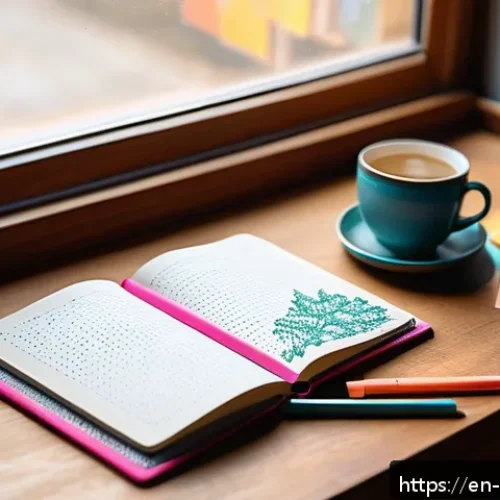
Others prefer dot grid journals, which feel more flexible and creative — perfect for doodling, sketching, or mixing writing with art. If you’re more of a free spirit, blank pages offer a completely open canvas, encouraging you to express yourself without any constraints.
Personally, I found that starting with a dot grid journal gave me the right balance between freedom and order, allowing me to experiment while still keeping my entries neat.
Material and Size Matter More Than You Think
I used to overlook the importance of the journal’s physical feel, but it turns out that texture, weight, and size play a huge role in how often you want to pick it up.
A sturdy hardcover journal feels more durable and special — like you’re holding something precious. On the other hand, softcover journals are lighter and more portable, great for carrying around in a bag or backpack.
Size is crucial too; a bulky journal might intimidate you if you’re always on the go, while a smaller one might limit your creativity with less space to write.
I personally settled on an A5 size, which strikes a nice balance between portability and enough room for detailed entries.
Color and Design: Reflecting Your Personality
Your journal is more than just a notebook; it’s a reflection of you. Picking a cover color or design that resonates with your vibe can make journaling feel like a fun, personal ritual rather than a chore.
I once bought a journal with a minimalist marble cover because I loved the clean, sophisticated look, which inspired me to keep my entries simple yet meaningful.
Others might prefer vibrant colors or whimsical patterns that spark joy and creativity every time they open the cover. Don’t underestimate the power of aesthetics — when your journal looks inviting, you’re more likely to write consistently.
Setting Intentions and Themes to Guide Your Writing
Why Having a Clear Purpose Makes a Difference
Before putting pen to paper, setting an intention for your journaling practice can transform it from random scribbling to a powerful tool for growth. When I started writing with a purpose, such as focusing on gratitude or tracking personal goals, my entries became more focused and rewarding.
Intentions act like a compass, helping you steer your thoughts and keep your writing meaningful. Whether it’s mental clarity, emotional healing, or creative exploration, defining your ‘why’ can boost motivation and make your journaling habit stick.
Choosing Themes That Resonate With Your Life
Themes add another layer of personalization, turning your journal into a tailored resource for your unique journey. You might dedicate certain pages to mindfulness exercises, others to daily reflections, or even creative writing prompts.
I experimented with monthly themes, like ‘Self-Compassion’ in January and ‘Adventure Planning’ in June, which kept things fresh and aligned with what I needed at the time.
You don’t have to stick to one theme forever — mixing and matching keeps the process engaging and inspiring.
Tracking Progress With Habit and Mood Logs
Incorporating trackers into your journal can be a game-changer. I started adding simple habit trackers and mood logs, which helped me visualize patterns in my daily life.
This not only made me more mindful of my routines but also motivated me to maintain positive habits. Seeing a streak of completed habits or noticing how my mood fluctuated over weeks gave me concrete insights I wouldn’t have gained otherwise.
Plus, it’s satisfying to fill in those little boxes and watch your progress grow.
Personalizing Your Journal with Creative Elements
Incorporating Art and Visuals
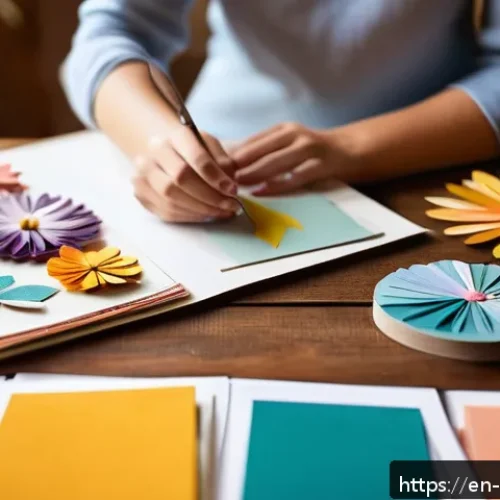
Adding doodles, sketches, or even collages can turn your journal into a vibrant reflection of your inner world. I’m no professional artist, but I found that simple drawings or decorating pages with stickers instantly made journaling more fun and less intimidating.
Visual elements break up blocks of text and bring your journal to life, making it a creative playground rather than just a diary. You don’t need fancy supplies — a few colored pens or washi tapes can go a long way.
Using Quotes and Affirmations for Inspiration
Sprinkling your journal with quotes or personal affirmations can uplift your spirits on tough days. I often jot down quotes that resonate with me or craft my own affirmations to boost confidence.
These little nuggets of wisdom become anchors, reminding me of my values and goals whenever I flip through the pages. It’s like having a personal cheerleader right inside your journal, cheering you on quietly but powerfully.
Customizing Layouts and Sections
One of the joys of journaling is that you can design it however you want. I experimented with different layouts — daily logs, weekly overviews, mind maps — to find what suits my flow.
Creating sections for different purposes, like a gratitude corner or a brain dump area, helped me stay organized and intentional. You can even leave blank spaces for spontaneous thoughts or sketches, so your journal feels dynamic and alive rather than rigid.
Choosing the Right Tools to Elevate Your Journaling Experience

Pen Types and Ink Preferences
The pen you use might seem trivial, but trust me, it makes a world of difference. I found gel pens glide smoothly and add vibrant color, while fountain pens give a classic, elegant touch to handwriting.
Ballpoint pens are practical for everyday use but can feel a bit dull. Experimenting with different pen types helped me discover what felt most comfortable and enjoyable, encouraging me to write more often.
Adding Accessories for Extra Flair
Accessories like bookmarks, paper clips, or sticky notes can make your journaling routine more organized and playful. I use colorful tabs to mark important pages, so I can quickly find inspiration or revisit goals.
Washi tape is my go-to for decorating edges or creating borders — it’s a simple way to add personality without much effort. These little touches make your journal feel customized and cared for, which in turn deepens your connection with the practice.
Choosing Paper Quality and Texture
Paper quality can affect not just the look but the feel of your journal. Thicker, smoother paper prevents ink from bleeding through and makes writing a pleasure.
I once tried a journal with thin paper, and the constant worry about smudging or tearing distracted me from my flow. Investing in a journal with good paper quality might seem like a small detail, but it’s worth it for a seamless, enjoyable writing experience.
Building a Sustainable Journaling Habit That Sticks
Creating a Comfortable Writing Environment
I noticed that where I journal affects how often and how deeply I write. Having a cozy, quiet spot with good lighting makes a huge difference. Sometimes I set up a little corner with my favorite chair, a cup of tea, and soft music to create a ritual that signals it’s time to slow down and reflect.
When your environment feels inviting, journaling becomes something you look forward to rather than a task.
Incorporating Journaling into Your Daily Routine
Consistency is key, but it doesn’t have to be overwhelming. Starting with just five minutes a day helped me build the habit without pressure. I found that journaling first thing in the morning or right before bed worked best — it either sets a positive tone for the day or helps me unwind.
Find a time that naturally fits your schedule and stick to it, even if it’s just jotting down a few thoughts or gratitude notes.
Overcoming Writer’s Block and Staying Motivated
There are days when the blank page feels intimidating, and words just don’t flow. I learned to tackle this by keeping prompt cards or lists of simple questions handy, like “What made me smile today?” or “What’s one thing I want to improve?” These nudges often sparked unexpected insights.
Also, reminding myself that journaling doesn’t have to be perfect or deep every time helped me stay consistent without judgment.
Comparing Popular Journaling Approaches and Their Benefits
| Journaling Style | Purpose | Best For | Key Benefit |
|---|---|---|---|
| Bullet Journaling | Organization and productivity | People who love lists and structure | Combines creativity with efficient planning |
| Gratitude Journaling | Mindfulness and positivity | Those seeking emotional well-being | Boosts happiness and reduces stress |
| Art Journaling | Creative expression and reflection | Visual thinkers and artists | Encourages free-flowing creativity |
| Reflective Journaling | Personal growth and insight | Anyone wanting deeper self-awareness | Fosters emotional clarity and learning |
| Travel Journaling | Memory keeping and storytelling | Adventurers and explorers | Preserves experiences vividly |
In Conclusion
Choosing the right journal style and setting clear intentions can transform your journaling from a simple habit into a meaningful practice. Personalizing your journal with creative touches and finding the tools that suit you will make writing more enjoyable. Building a consistent routine helps journaling become a lasting part of your life, bringing clarity, inspiration, and growth.
Helpful Tips to Remember
1. Experiment with different journal formats to find the one that best fits your personality and writing style.
2. Pay attention to the journal’s size and material to ensure it feels comfortable and inviting to use daily.
3. Use themes and trackers to keep your journaling focused, motivating, and aligned with your goals.
4. Add creative elements like art, quotes, and custom layouts to make your journal uniquely yours and more engaging.
5. Establish a cozy writing environment and a consistent schedule to turn journaling into a sustainable habit.
Key Takeaways
Choosing a journal that resonates with you physically and aesthetically encourages regular use. Setting clear intentions and using themes help maintain focus and motivation. Incorporating creative elements adds joy and personalization, while the right tools enhance the writing experience. Lastly, creating a comfortable routine and environment is essential for making journaling a long-term practice that supports personal growth and well-being.
Frequently Asked Questions (FAQ) 📖
Q: uestions about Personalizing Your Journaling JourneyQ1: How can I start personalizing my journal if I’m new to journaling?
A: Starting your personalized journal is easier than you might think. Begin by choosing a notebook or planner that feels right to you—whether it’s a simple lined journal, a dotted bullet journal, or even a digital app.
Next, think about what you want to get out of journaling: is it creativity, mental clarity, or tracking goals? From there, add your own touch—decorate pages with doodles, stickers, or colors that inspire you.
You can also create sections tailored to your needs, like daily reflections, mood trackers, or goal lists. The key is to keep it flexible and fun so it naturally fits into your daily routine.
Q: What are some effective ways to keep journaling consistently without losing motivation?
A: Consistency can be challenging, but turning journaling into a ritual helps a lot. I found that setting a specific time each day, like right after breakfast or before bed, makes journaling feel like a natural part of my day.
Also, don’t stress about perfection—some days you might just jot down a few words or sketch a quick idea, and that’s completely okay. Mixing up your entries with prompts, gratitude lists, or creative writing can keep things fresh and exciting.
Remember, your journal is your personal space, so give yourself permission to write honestly and without judgment.
Q: How does personalizing my journal improve my mental clarity and creativity?
A: Personalizing your journal transforms it from a blank book into a meaningful extension of yourself. When you customize it with colors, layouts, or themes that resonate with you, it becomes a safe space to express thoughts and feelings more freely.
This emotional connection encourages deeper reflection, which naturally clears mental clutter. On the creativity side, using your own style and including visual elements stimulates different parts of your brain, sparking new ideas and perspectives.
From my own experience, the more I made my journal feel like “mine,” the more I looked forward to writing and exploring my thoughts creatively.