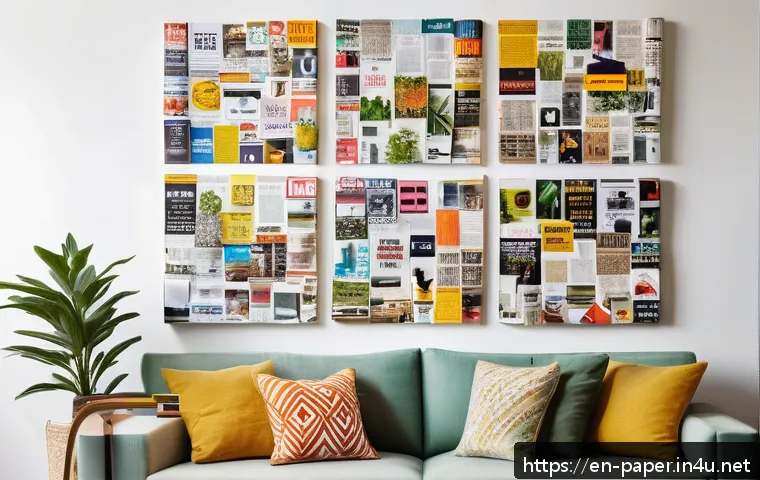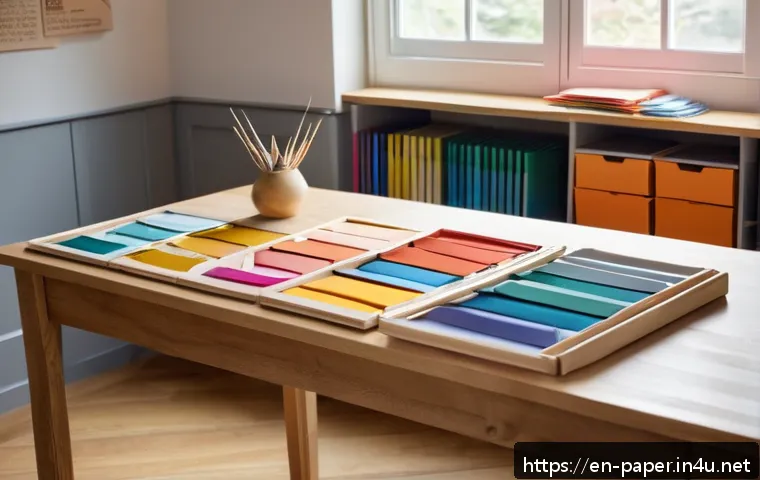
Flat cards, bookmarks, art prints, and gift tags are often the easiest paper craft products to ship, while personalized event pieces and dimensional designs can support higher perceived value.
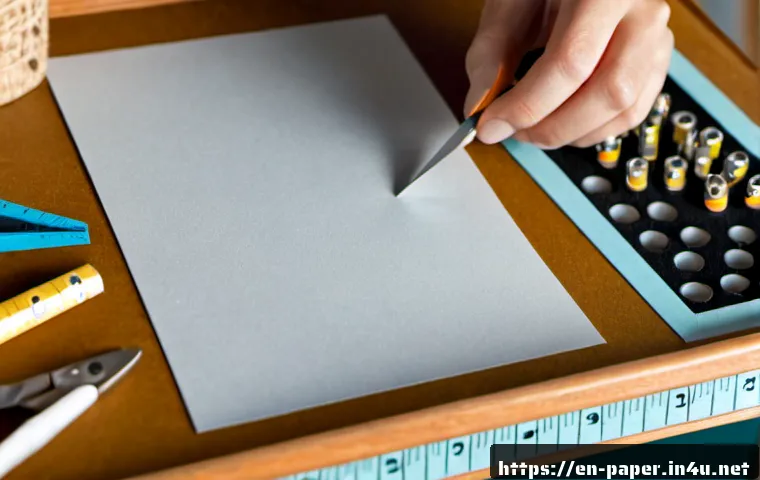
The most practical item is usually one that is giftable, repeatable to make, and durable enough for its delivery method. For a small handmade shop, the right choice depends less on finding one “best seller” and more on balancing production time, material waste, customization, and packaging needs.
Paper goods are lightweight, which may help reduce shipping costs compared with heavier handmade products. Buyers often respond well to clear personalization options, polished presentation, and products that feel ready to give.
Before investing in a cutting machine, premium cardstock, or professional print service, compare what each product requires from start to finish.
At a Glance
- Beginner-friendly: Flat paper goods such as greeting cards, bookmarks, gift tags, and art prints are generally simpler to package and ship.
- Higher perceived value: Personalized paper flowers, shadow boxes, ornaments, and event stationery can feel more premium when customization is clearly managed.
- Lowest shipping risk: Items that stay flat and have protected edges usually need less complex protective packaging than fragile dimensional designs.
| Product Type | Material Cost Level | Production Time | Shipping Difficulty | Customization Value |
|---|---|---|---|---|
| Greeting cards, bookmarks, gift tags | Low to moderate | Usually manageable for repeatable designs | Low when packed flat | Moderate |
| Art prints and flat paper décor | Low to moderate | Depends on printing and finishing method | Low to moderate | Moderate |
| Paper flowers, ornaments, cake toppers | Moderate | Often higher due to assembly | Moderate to high | High |
| Shadow boxes and layered paper art | Moderate | Higher due to cutting and layering | High | High |
| Invitations, place cards, and wedding details | Varies by paper, printing, and quantity | Can increase with proofing and revisions | Low to moderate | High |
Which Paper Craft Products Are Most Practical to Sell?
Quick answer: prioritize giftable, lightweight, and repeatable designs
The most practical paper craft products to sell are usually those that are easy to understand, easy to gift, and realistic to reproduce. A customer should quickly see what the item is for, whether it suits an occasion, and how it can be personalized. For the seller, the design should be possible to make consistently without excessive failed cuts, complex assembly, or unpredictable packaging problems.
Flat products are often a sensible starting point because they can be protected with backing boards, sleeves, or sturdy mailers. They also allow you to test product photography, ecommerce listings, packaging materials, and storefront fees without immediately taking on the shipping risk of a large dimensional item. This does not mean flat goods always sell better; the strongest choice still varies by marketplace, season, location, buyer expectations, and presentation.
Be careful not to make a product so simple that it feels interchangeable with a downloadable template or a quick DIY project. The value may come from your original design, clean finishing, thoughtful packaging, a specific occasion, or a manageable personalization option.
Three product categories for different selling goals
Flat gift items are suitable when you want straightforward production and lower shipping complexity. Greeting cards, bookmarks, art prints, and gift tags can work as individual products or coordinated sets. These products may fit shoppers looking for small gifts, add-ons, stocking fillers, or useful stationery.
Dimensional keepsakes are more appropriate when you want to create a premium-looking item. Paper flowers, layered shadow boxes, ornaments, and cake toppers can stand out because construction and detail are visible. However, the added visual appeal should be weighed against the time needed for cutting, assembly, quality checks, and protective packaging.
Event-focused paper goods fit buyers who need coordinated details for a celebration. Invitations, place cards, party décor, wedding stationery, and gift accessories can benefit from personalization. Their challenge is operational: names, dates, wording, quantities, proofing steps, lead times, and revision limits need to be clear before the order is placed.
What makes a paper item feel worth buying rather than DIYing
A buyer may choose a handmade paper item when it saves time, looks polished, or feels personal enough for a special moment. Presentation matters: clean folds, aligned layers, neat adhesive work, readable typography, and protected edges all affect perceived quality. Ready-to-give packaging can also help a small paper product feel more complete.
Personalization can add value when the options are narrow and clearly defined. For example, a listing may allow a name, date, short message, or selected color direction while keeping the core design fixed. Unclear requests can turn a small custom order into a long back-and-forth process, so describe exactly what customers can submit and what changes are included.
Original work also matters. Use your own designs, properly licensed artwork, and fonts with commercial permission. If a digital file, illustration, or font has restrictions, check those terms before building it into a product line.
Compare Product Ideas by Cost, Time, Shipping, and Selling Potential
Flat items: greeting cards, bookmarks, art prints, and gift tags
Flat products are often the simplest category for new handmade sellers because their shape makes them easier to store, photograph, and package. Greeting cards can be adapted to seasonal events, birthdays, thank-you occasions, and gift-giving. Bookmarks may appeal to readers, teachers, or shoppers seeking a small personal gift. Gift tags can work as individual pieces or as coordinated accessories for wrapping.
Art prints and flat paper décor may offer room for a stronger design identity, especially when the artwork is original and the finish looks intentional. However, printing quality, paper weight, trimming, and corner protection all affect the final result. A lightweight product is helpful, but damaged corners or bent edges can quickly undermine the customer experience.
Dimensional items: paper flowers, shadow boxes, ornaments, and cake toppers
Dimensional paper crafts can attract buyers because they are more difficult to recreate quickly at home. Paper flowers can be used as décor or gifts. Shadow boxes can create depth through layered cutting. Ornaments and cake toppers can connect naturally to seasonal celebrations and milestone events.
These products need a realistic assembly plan. Fragile petals, raised layers, delicate cutouts, and protruding pieces may require sturdier mailers, inserts, or boxes than flat goods. Before listing a dimensional design, make sure it can be produced consistently and packed without crushing, bending, or loose components.
A detailed design is not automatically a better business item. If it takes too long to assemble, produces frequent material waste, or requires heavy protection for every shipment, the finished retail price may be difficult for the intended customer to accept. Test the full process, not only the crafting step.
Event products: invitations, place cards, party décor, and wedding details
Event paper goods can be valuable because they are closely tied to a date, a recipient, and a specific occasion. A personalized invitation, place card, party banner, or wedding detail may feel more meaningful than a general paper product. Seasonal demand can influence interest in cards, ornaments, party decorations, wedding stationery, and gift accessories.
The main requirement is clear order management. State what information is needed, whether a proofing step is used, how many revisions are included, and what the customer should check before approval. Event buyers often need quantities rather than one item, so production capacity and processing time should be considered before offering larger orders.
Do not assume that every event product will perform the same way across selling channels. A product that suits a local craft market may need a different listing format, packaging method, or processing-time explanation for an online shop.
Comparison table: materials, production time, packaging, and customization
Use the earlier comparison table as a first filter, then examine the details behind each category. A product with a low material cost can still be expensive to make if labor is high. A personalized item can have strong perceived value, but it also needs a process that prevents mistakes in names, dates, colors, and wording.
When comparing product ideas, ask four practical questions: Can I make it repeatedly? Can I protect it during delivery? Can customers understand the customization options? Does the final presentation justify the full cost of making and selling it?
Calculate a Price That Covers More Than Paper
Include cardstock, adhesives, blades, ink, and design testing
Paper craft pricing should begin with more than the visible sheet of cardstock. Materials may include paper, adhesives, cutting blades, ink, envelopes, embellishments, backing materials, and protective finishes. Design testing also matters. A design may require sample cuts, revised settings, discarded paper, or adjustments before it becomes reliable enough to sell.
Keep a simple product cost checklist for each item. Separate the direct materials from the tools and consumables used over time. This helps you see whether a premium cardstock choice, a specialty adhesive, or a more complex cut is actually improving the product enough to justify the added cost and effort.
Account for labor, failed cuts, packaging, selling fees, and shipping supplies
A retail price should reflect the work that happens before the customer opens the package. Include labor time, material waste, platform fees, packaging, shipping supplies, and replacement risk. A product can look profitable when only paper is counted, then become underpriced once packing, labeling, order messages, and occasional remakes are considered.
Failed cuts and damaged components are especially relevant for layered or intricate designs. You do not need to predict every problem perfectly, but you should recognize that waste is part of handmade production. If a product requires repeated precision work, build that reality into your decision rather than treating every piece as if it will be made without error.
When a higher-priced personalized product makes more sense
A higher-priced personalized item may make sense when customization is meaningful, controlled, and visible in the finished product. Names, dates, short messages, coordinated colors, or event-specific wording can make a paper item feel more special. The key is setting boundaries that protect both the buyer and the seller.
Offer options that are easy to confirm. Explain character limits where needed, show the available choices, and tell customers what details they must submit. If revisions are part of the order process, define the limits in advance. This reduces the chance of unclear expectations and helps keep labor from expanding beyond what the item can support.
When to consider a cutting machine, printer upgrade, or outsourced production
A cutting machine may be worth considering when your designs depend on repeated, precise cuts and you need greater consistency than hand cutting can provide. A printer upgrade may be useful when print quality is central to the product, such as illustrated cards, art prints, or detailed stationery. Professional printing or outsourced cutting can also be worth evaluating when the task is taking too much time or when consistency is difficult to maintain in-house.
These choices should be tied to your actual product process, not just the appeal of new craft tools. Compare the tool, cardstock, maintenance needs, blade use, print-service options, and expected production workflow. Check the product details and service conditions on the relevant provider page before deciding whether an upgrade fits your shop.
Make Paper Goods Durable Enough for Customers and Delivery
Choose paper weight and construction for the item’s intended use
Paper durability depends on paper weight, construction method, protective finishing, and packaging. A bookmark, an invitation, a cake topper, and a layered shadow box each face different handling conditions. Choose the paper and construction method based on what the item is meant to do after it reaches the customer.
For example, a flat piece that will be handled often may need a more substantial feel than a decorative item intended mainly for display. Layered pieces should have secure construction and enough support to maintain their shape. Test the finished item by handling it as a customer might, while remembering that delivery adds another level of risk.
Protect edges, layers, and delicate embellishments during shipping
Packaging is part of the product, especially for paper crafts. Flat goods may benefit from protective sleeves, rigid backing, and mailers that help reduce bending. Dimensional pieces may need inserts, boxes, or other structure to prevent pressure from reaching delicate elements.
Check the weakest point of each design. That may be a raised flower petal, a thin script cutout, a layered corner, or a fragile embellishment. If the product needs unusually complex protection, either reflect that requirement in the overall pricing plan or simplify the design before listing it.
Avoid designs that are difficult to reproduce consistently
A visually impressive prototype is not always a practical product. If it depends on extremely precise hand placement, fragile details, or inconsistent cutting results, it may be difficult to recreate at the same quality level. Repetition is important for handmade business products because each order should resemble the item shown in the listing.
Build a small quality-control routine: inspect cut edges, alignment, adhesive marks, spelling, personalization details, and packaging before dispatch. A repeatable workflow can be more useful than adding another decorative step that slows production without clearly improving the buyer’s experience.
Check licensing for digital files, illustrations, and fonts
Before selling a paper craft product, check whether every design element can be used commercially. This includes cutting files, illustrations, clip art, digital papers, templates, and fonts. A purchase or download does not automatically mean the item can be used in products for sale.
Keep records of the licenses connected to the materials you use. If terms are unclear, review the source information before listing the product. Original designs and properly licensed creative assets are important for long-term shop stability.
Match the Product to the Buyer and Sales Channel
Gift shoppers: personalization, presentation, and ready-to-give packaging
Gift shoppers often want a product that feels thoughtful without requiring extra work after it arrives. Clear personalization, clean presentation, and ready-to-give packaging can make a paper craft item easier to choose. A card, ornament, flower arrangement, or keepsake may become more compelling when the recipient or occasion is clearly part of the design.
Keep the product description focused on what the buyer receives, what can be personalized, and how the item is packaged. Avoid vague customization language that creates uncertainty at checkout.
Event buyers: lead times, proofing steps, quantities, and revision limits
Event buyers need reliability as much as design. They may need multiple place cards, invitations, party pieces, or wedding details, often connected to a fixed date. Explain processing time clearly and state what information is required before production begins.
If proofing is offered, tell buyers what they should review. Names, dates, spelling, layout choices, and quantities should be confirmed before final production whenever that step is part of your process. Be especially careful with revision limits, because custom event work can become difficult to price when changes are open-ended.
Craft-market shoppers: small items, display visibility, and impulse-buy price points
Craft-market shoppers often decide quickly. Small paper goods can work well when the design is visible from a short distance and the purpose is immediately clear. Bookmarks, gift tags, cards, small ornaments, and simple paper décor can be easier for shoppers to pick up, inspect, and add to a purchase.
For in-person selling, consider how the item looks in a display as well as how it looks in a product photo. Protect delicate pieces from handling, and make personalization options easy to understand without requiring a long conversation at the table.
Online shoppers: accurate dimensions, close-up photos, and processing-time clarity
Online buyers cannot touch the paper, examine the layers, or judge the size in person. Accurate dimensions, close-up photos, and clear descriptions help set expectations. Show the details that support value: texture, layered construction, personalization placement, envelope or packaging presentation, and any fragile elements.
Processing-time clarity is equally important. A made-to-order personalized item may take a different workflow from a ready-made flat card. Describe the product honestly, including whether colors, paper texture, or handmade assembly may create small variations.
Selection Criteria and Comparison Summary
Before adding a new item to your shop, use this final decision check:
- Shipping risk: Flat cards, prints, bookmarks, and gift tags are generally easier to protect than dimensional paper flowers, shadow boxes, and raised décor.
- Perceived value: Personalization, layered construction, original design, and ready-to-give presentation can make an item feel more special when the process remains manageable.
- Production speed: Choose designs that can be repeated with consistent cutting, assembly, and quality checks.
- Full cost: Include cardstock, adhesives, blades, ink, packaging materials, selling fees, labor, waste, and shipping supplies before setting a retail price.
- Seasonal fit: Cards, ornaments, party décor, wedding stationery, and gift accessories may be influenced by seasonal events and occasion-based demand.
- Tool decision: Compare cutting tools, printer options, protective packaging, storefront fees, and print-service options based on the needs of your actual product line.
For tools, cardstock, mailers, storefront plans, or print services, review the specifications and conditions on the relevant product or provider page before purchasing.
Final Thoughts
Paper craft products can be a practical handmade category because they are generally lightweight and can be adapted for gifts, events, and seasonal occasions. The strongest product choice is not necessarily the most elaborate one; it is the one you can make consistently, package safely, and explain clearly to the buyer. Start with a small group of designs that have a defined purpose and manageable production steps. Then refine your materials, packaging, and customization rules based on what the product actually requires.
Useful Information to Keep in Mind
1. Test packaging with the completed product, not only with a paper sample.
2. Track material waste and failed cuts alongside visible supply costs.
3. Keep personalization options specific to prevent confusion and avoidable revisions.
4. Use original designs or confirm commercial permissions for artwork, files, and fonts.
5. Consider both the buyer’s use of the item and the conditions it may face during delivery.
Important Considerations
No single paper craft product is guaranteed to be the best seller or produce a particular profit margin. Material costs, shipping supplies, platform fees, demand, and customer preferences can vary by supplier, location, season, sales channel, package dimensions, and order volume. Local requirements involving sales tax, business registration, labeling, and intellectual property may also apply. Confirm the rules and costs relevant to your own shop before making pricing or production decisions.
Frequently Asked Questions
Q1. What paper craft items are easiest to sell online?
A1. Flat products such as greeting cards, bookmarks, art prints, and gift tags are often easier to list and ship because they can be packaged with less protection than dimensional items. The best option still depends on your design quality, product photos, target buyer, seasonal demand, and selling channel.
Q2. How should I price handmade paper crafts without undercharging for my time?
A2. Include direct materials such as cardstock, adhesive, blades, and ink, then add labor, design testing, material waste, packaging, platform fees, and shipping supplies. Review the full workflow rather than pricing from the paper cost alone.
Q3. Are personalized paper products worth the extra work for a small handmade shop?
A3. They can be worthwhile when personalization adds clear value and the options are controlled. Define what customers can customize, what information they must provide, and how revisions are handled so the extra work remains manageable.