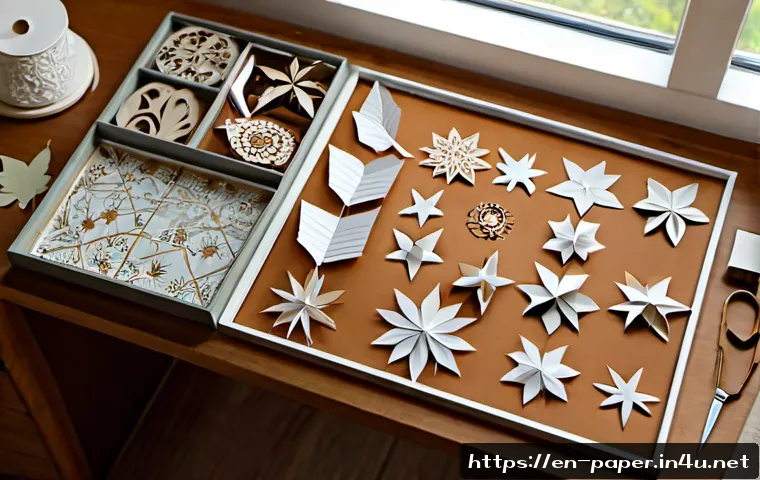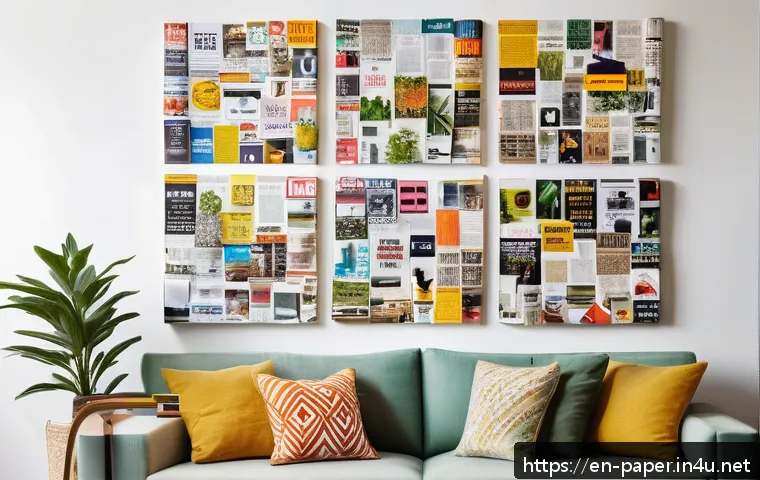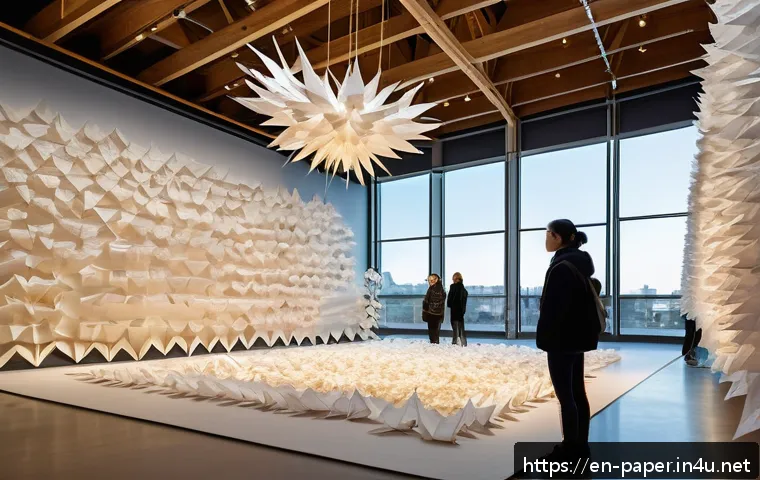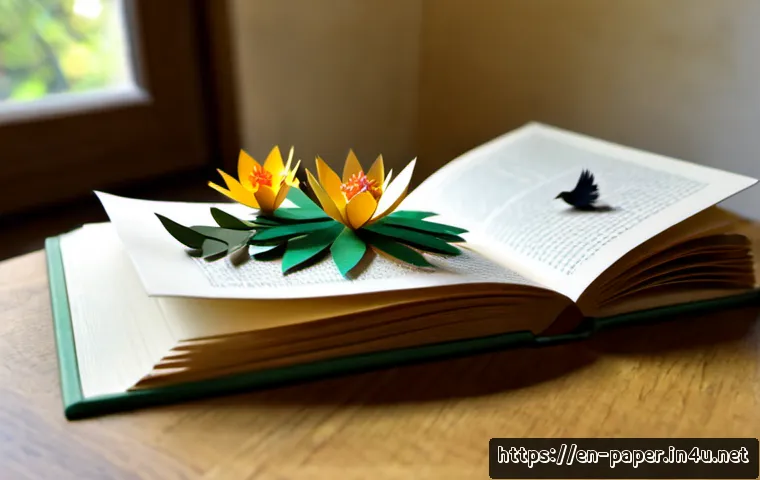
Choose a step-by-step project guide if you want to make paper art, a template book if repeatable activities matter, and an inspiration-led edition if you mainly want visual ideas.
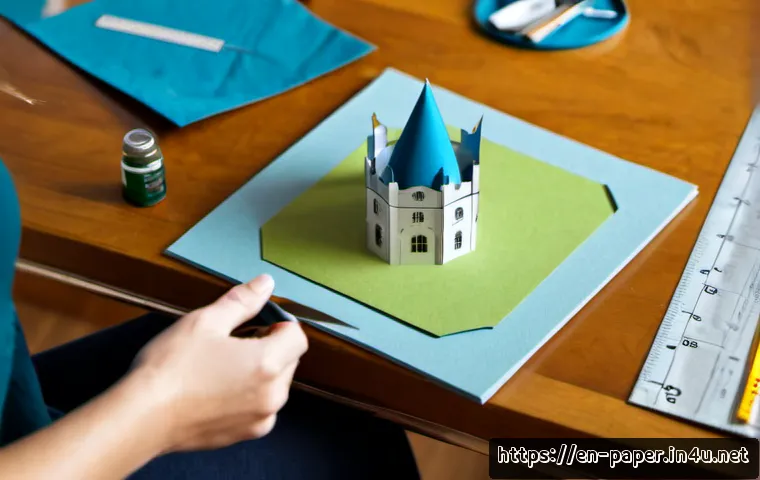
The best paper craft art book is the one whose skill level, supply list, and project style match the time and materials you can realistically use. Before comparing cover prices, check sample pages, difficulty notes, and whether templates are actually included.
A lower-cost beginner guide can offer better value than a premium edition with projects you will not attempt. For intricate paper sculpture or display work, clearer instructions and stronger visual references may justify a higher-priced book.
Always consider the separate cost of paper, adhesives, cutting tools, and storage.
At a Glance
- Choose a project guide for guided making, a template book for repeat activities, or an art showcase book for inspiration.
- Compare the cover price with the required supplies, especially specialty paper, cutting tools, adhesives, and display materials.
- Preview project pages and supply lists before buying to confirm that the complexity fits your skills, workspace, and goals.
| Book Format | Instruction Depth | Possible Extra Supply Costs | Best Use Case |
|---|---|---|---|
| Step-by-step project guide | Usually focused on process, assembly, and techniques | Paper, adhesive, cutting and scoring tools may be needed | Beginners, hobby practice, and weekend projects |
| Template-based activity book | Often centered on patterns and project completion | Printing or copying needs, cardstock, and replacement paper may apply | Repeat projects, shared activities, and structured crafting |
| Paper-art coffee table book | May emphasize images, artists, and finished work over tutorials | Costs depend on whether you recreate ideas independently | Collectors, visual inspiration, and display reference |
What Makes a Paper Craft Book Worth Buying?
A worthwhile paper craft book does more than look attractive on a shelf. It should help you reach your intended result, whether that means learning folds, making greeting cards, building paper sculptures, or collecting ideas for future projects. The strongest value comes from a sensible match between instruction clarity, project complexity, template usefulness, and the materials you must purchase separately.
The Quick Answer: Choose for Projects, Inspiration, or Collectible Art
If your goal is to make something soon, prioritize a book with visible steps, supply lists, and project previews. If you enjoy studying color, composition, paper cutting, and artist techniques, an inspiration-focused art book may be the better purchase. A premium-looking edition is not automatically the best option for making projects; it may be designed primarily for browsing or collecting.
The Four Details to Check Before Purchasing
First, check whether the projects show enough stages for your experience level. Second, confirm whether templates are included, and whether the edition clearly explains how they may be used. Third, read the materials list for specialty cardstock, precision cutters, scoring tools, adhesives, or protective storage needs. Finally, consider the finished size of each project. A book can be creatively appealing but still be impractical for your available desk space, time, or dexterity.
Compare Project Guides, Template Books, and Paper-Art Coffee Table Books
The right format depends on what you expect from the purchase. Comparing book formats before ordering can prevent a common disappointment: receiving a beautiful paper art book when you actually wanted a practical craft tutorial.
Best Fit for Beginners and Casual Weekend Projects
For first-time makers, look for a beginner paper craft guide with clearly separated steps and simple material requirements. Projects with straightforward cutting, folding, and gluing are easier to test without wasting expensive paper. Template-based books can also work well when the instructions explain how to transfer, cut, or use each pattern. Confirm the publisher’s age guidance and project previews before selecting a book for children, classrooms, or group activities.
Best Fit for Advanced Makers and Display-Quality Work
Advanced makers may prefer books featuring layered paper art, precise cutting, detailed construction, or elaborate display pieces. These projects can produce striking results, but they may require more patience, finer tools, specialty paper, and safe storage. If you are shopping for a gift, do not assume that a visually complex cover means the recipient will enjoy the projects. Check whether the difficulty and materials align with their usual craft habits.
How Instruction Depth Affects Overall Value
Instruction depth often matters more than book size. A concise guide with useful diagrams, technique explanations, and readable supply lists may offer more practical value than a larger volume filled mainly with finished photographs. When comparing art-book prices, consider how many projects you are likely to attempt rather than how many pages appear in the listing. Preview pages are especially useful for checking whether the author explains tricky cuts, folds, alignment, and gluing stages.
Budget for the Book and the Materials It Requires
The cover price is only one part of a paper craft budget. A book may introduce a technique that needs materials you do not already own, so it is smart to review the supply list before treating a title as a low-cost craft option.
Common Supply Costs Beyond the Cover Price
Depending on the project, you may need cardstock or other specialty paper, a cutting tool, adhesive, a scoring tool, a cutting surface, or storage for templates and finished pieces. Display projects may also lead you to consider backing, protective sleeves, or frames. These are not reasons to avoid a book; they are reasons to compare the full project cost instead of only the book price.
When Specialty Paper, Cutting Tools, and Adhesives Are Worthwhile
Specialty materials make sense when they support a finished result you truly want to keep, display, or give as a gift. For practice projects, start with scrap paper or basic paper that behaves similarly enough to test the technique. A precision cutter or scoring tool can be useful for detailed work, but there is no need to assume every book requires advanced equipment. Follow the project’s stated requirements and choose tools appropriate for the task.
Avoiding Books with Projects That Exceed Your Workspace or Budget
Before buying, think about where you will cut, glue, dry, and store the work. Large or delicate paper projects can be difficult to manage in a crowded space. Also check whether the project needs uninterrupted work time; a complex build may be less enjoyable if it must be packed away repeatedly. A smaller starter guide can be a better value when you are still learning what type of paper art you enjoy.
How to Use an Art Book Without Wasting Paper or Time
A careful first read can make a paper craft book more useful and reduce avoidable mistakes. Treat the project page as a plan, not just a picture to copy.
Read the Supply List and Difficulty Notes First
Review the full supply list before cutting anything. Note the paper type, required tools, and any steps that involve precise measuring, folding, or assembly. If a title offers difficulty notes, use them as a starting point rather than a guarantee. Your comfort with cutting, hand strength, and available time can affect how challenging a project feels.
Test Cutting, Folding, and Gluing Techniques on Scrap Paper
Use scrap paper to test a new fold, cut shape, scoring method, or adhesive application. This simple step helps you understand the sequence before using your preferred paper. It is particularly helpful for layered designs, narrow tabs, or projects where excess glue could affect the final appearance.
Store Templates and Finished Pieces Safely
Keep templates flat, labeled, and protected from moisture or accidental folds. Finished pieces may need a clean, dry storage area, especially if they contain delicate layers or raised elements. If you plan to repeat a project, choose a book whose template terms and use instructions are clearly stated rather than assuming patterns can be copied or reused.
Choose by Goal: Gifts, Classroom Activities, Home Décor, or Personal Practice
A paper craft art book can be a thoughtful purchase when its projects suit the actual occasion. Start with the end use, then compare the book’s format and material needs.
Selecting Accessible Projects for Shared Activities
For family crafting or educational activities, favor books with approachable steps, clear images, and manageable material lists. Shared projects work best when participants can understand the process without constant correction. Confirm publisher details and preview pages when choosing for a classroom or younger makers, since suitability varies by title and edition.
Choosing Visually Strong Projects for Framing or Display
For home décor or gifts, look for projects with a finished style you would genuinely want to display. Consider whether the design requires specialty paper, protective storage, or a frame after completion. A visually impressive project can be worth the extra materials when the final piece has a clear purpose, rather than becoming another unfinished craft supply.
When an Inspiration Book Is Better Than a Tutorial Book
An inspiration-led paper art book is a strong choice when you already know basic techniques and want new visual directions. It can help you study color combinations, paper textures, composition, and artist approaches. However, it may not be the right purchase if you need templates and detailed assembly instructions. Decide whether you are buying ideas or directions before comparing editions.
Selection Criteria and Comparison Summary
Use these checks before making a final choice: Does the project level match your current skills? Are the instructions detailed enough for the result you want? Are templates included and clearly described? What tools and paper must be bought separately? Do you have space to make and store the finished work? Choose a guide with templates explicitly described as reusable only if you plan to make multiple projects and the edition confirms that use. A lower-cost starter guide is sensible for testing a new technique, while a premium paper-art edition may offer better long-term value if you will revisit its visual reference or complete several suitable projects. Check the product page, sample spreads, and publisher details for the edition’s exact contents and conditions.
In Closing
A paper craft art book is a better purchase when it supports a real creative goal rather than simply looking appealing online. Compare instruction depth, templates, supply requirements, and project scale before focusing on the cover price. Start with a book that fits your current tools and available time. You can move toward more detailed paper art projects once you know which techniques you enjoy.
Useful Things to Know
Project previews matter: they reveal whether the steps are practical for you.
Materials affect value: factor in paper, tools, adhesives, and storage.
Practice protects supplies: test unfamiliar techniques on scrap paper first.
Edition details vary: always verify templates, included items, and availability for the specific version.
Important Notes
Exact prices, page counts, paper quality, included templates, and retailer availability can vary by edition. Do not assume a book includes tools, downloadable files, reusable patterns, or materials unless the publisher or retailer clearly states this. Suitability for beginners, children, or classroom use should also be confirmed through official details and project previews.
Frequently Asked Questions
Q1. What should beginners look for in a paper craft art book?
A1. Look for clear step-by-step instructions, visible project stages, simple supply lists, and projects that do not demand advanced cutting or assembly immediately. Preview pages can help you judge whether the teaching style feels comfortable.
Q2. Are expensive paper craft books worth it if I only want a few projects?
A2. They can be, but only if the few projects or visual references are genuinely valuable to you. Compare the instruction quality and required materials with a lower-cost starter guide before deciding. A premium edition is not automatically the better option for occasional crafting.
Q3. Do paper craft books usually include templates and materials?
A3. Some books may include templates, while others focus on techniques, photographs, or individual projects. Materials and tools should not be assumed to be included. Check the specific edition’s publisher details, product description, and preview pages before buying.