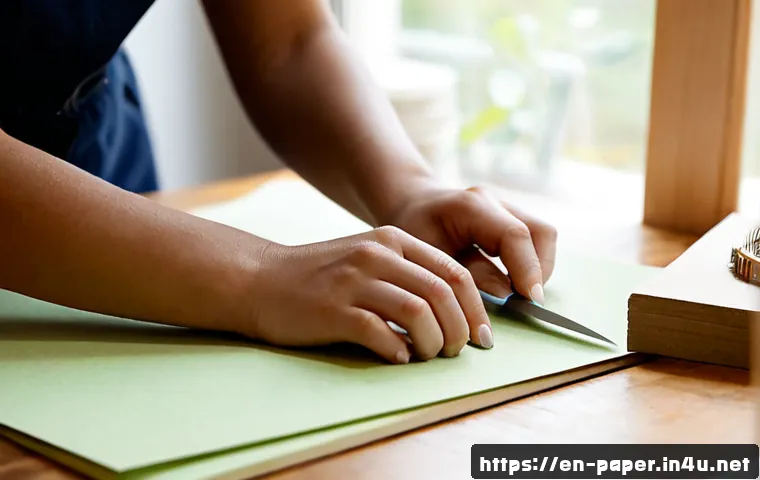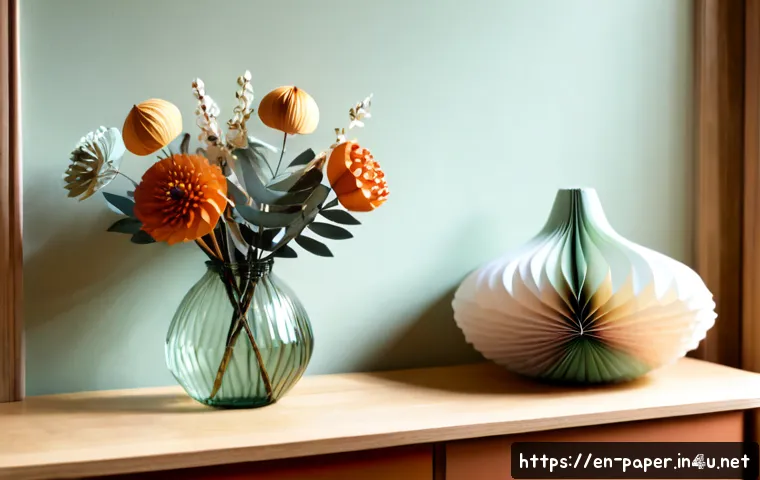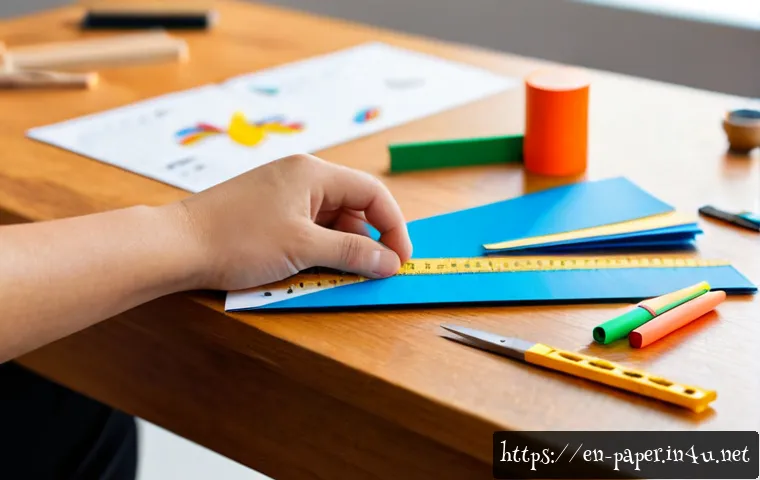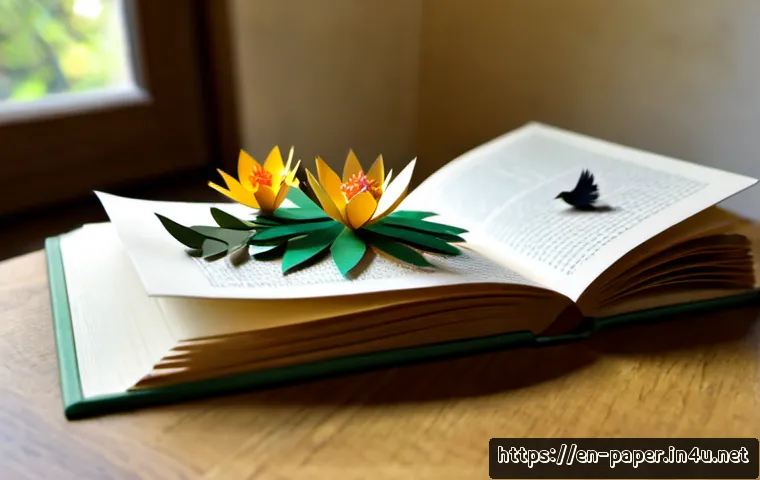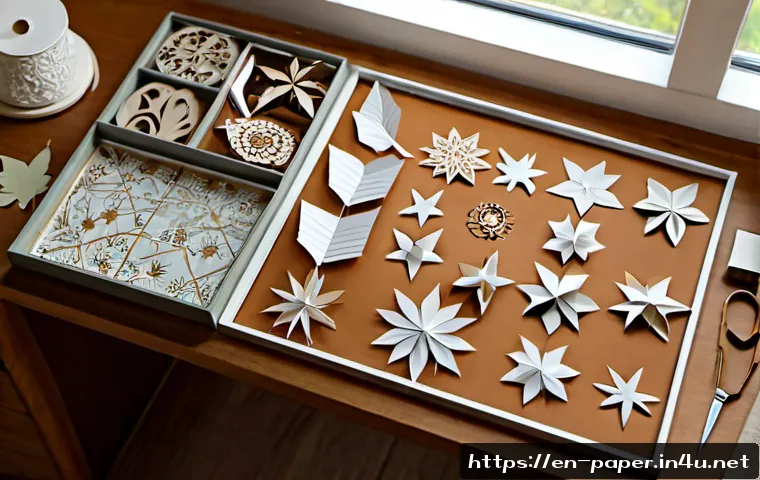
Homemade art paper is best for cards, collage, textured craft projects, and experiments where an organic surface is part of the appeal. For important watercolor paintings or work that needs predictable layering, erasing, and wet-media handling, ready-made artist paper is usually the safer choice.
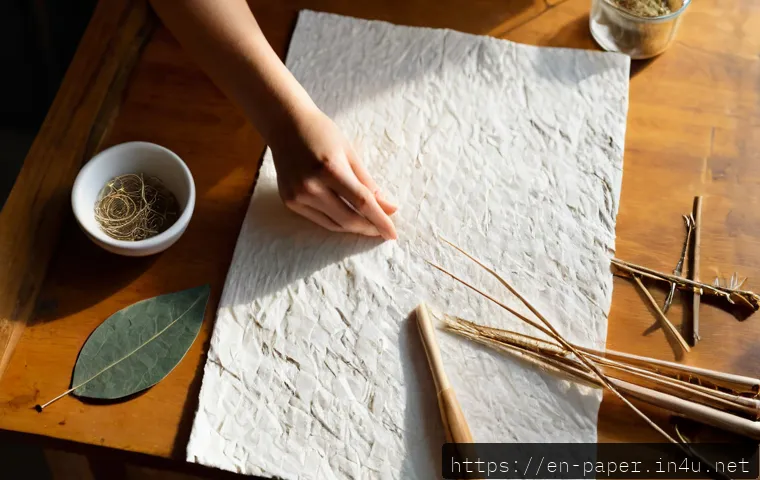
A simple pulp-and-screen method can produce attractive sheets at home with recycled paper or cotton-based pulp. The result depends heavily on fiber, pulp consistency, sheet thickness, pressing, and drying.
Before buying a papermaking kit or specialty pulp, compare the setup effort with the texture and performance your project actually needs. Always test a small sheet with your intended paint or ink before using a handmade batch for finished work.
At a Glance
- Make handmade paper for collage, cards, decorative projects, and expressive texture.
- Choose ready-made watercolor paper when you need more consistent absorbency for wet media.
- Test every homemade sheet for buckling, bleed-through, shedding, and paint absorption before final artwork.
| Option | Best For | Texture and Control | Setup Consideration |
|---|---|---|---|
| Recycled paper pulp | Cards, collage, classroom crafts | Often textured and variable | Uses common paper materials, but results can be unpredictable |
| Cotton-based pulp | Handmade art-paper experiments | Can offer a more intentional fiber-based surface | Requires pulp selection and basic papermaking supplies |
| Papermaking kit | Beginners who want a coordinated setup | Depends on the included mould, screen, and pulp | Compare screen size, replacement materials, and total setup cost |
| Ready-made watercolor or mixed-media paper | Finished paintings and repeatable practice | More consistent surface and handling | Little preparation, but the paper choice still matters for the medium |
What Handmade Art Paper Is Best For
A Quick Answer for Painting, Collage, Cards, and Printmaking
Handmade art paper works especially well when its irregular surface is part of the design. Use it for handmade cards, collage backgrounds, gift tags, simple craft prints, bookmaking experiments, and textured drawing. A sheet with visible fibers or soft deckled edges can make a project feel personal without requiring a perfectly smooth surface.
For paint, think in terms of light testing rather than assumptions. A thin wash may work nicely on one sheet, while another may absorb unevenly or buckle. Homemade paper can be enjoyable for small watercolor studies, but its wet-media performance is not automatically the same as purchased watercolor paper.
When Homemade Sheets Are Not the Best Choice
Choose store-bought watercolor paper or mixed-media paper when your work needs repeatable results. This is especially useful for a finished painting, a project involving repeated wet layers, or work where smooth detail matters. Ready-made paper may also be the practical option when you need several sheets with a similar surface.
Homemade sheets may not tolerate heavy washes, erasing, or repeated layering in the same way from batch to batch. Their exact absorbency, archival qualities, and long-term durability need to be checked rather than assumed.
Three Checks to Make Before Committing to a Larger Batch
First, make one small sample and let it dry fully. Second, brush on a small amount of your intended paint or ink and watch for uneven absorption, bleeding, or surface fibers lifting away. Third, gently handle the dry sheet to see whether it feels strong enough for your intended project. These checks can save both paint and pulp.
Choose Materials by Texture, Budget, and Art Medium
Recycled Paper Pulp Versus Cotton-Based Pulp
Recycled paper pulp is a practical starting point for beginner papermaking. It is suitable for learning the forming and drying process, especially for decorative sheets. However, recycled sources can create a mixed result because the original paper composition is not always known.
Cotton-based pulp is worth considering when you want to explore a more fiber-focused handmade paper process. It may be a better fit for art-paper experiments, but it still does not guarantee a particular level of absorbency, strength, or longevity. Compare pulp options based on the texture you want, the medium you plan to use, and how much preparation you are comfortable doing.
Deckle-and-Mould Kits, Screens, and Household Alternatives
A deckle-and-mould set gives beginners a straightforward way to form sheets. A papermaking kit can be convenient because the screen and frame are designed to work together. Before choosing one, look at the screen size, how easily it can be cleaned, and whether the frame suits the paper size you want to make.
A simple screen-and-frame arrangement can also be used for small projects. Household alternatives may help you try the process without a large commitment, but they can be less consistent. The key is a flat screen that supports the pulp evenly while water drains away.
DIY Paper Versus Store-Bought Watercolor and Mixed-Media Sheets
DIY paper offers process, texture, and customization. Purchased artist paper offers convenience and a more predictable starting point. If you are making one-of-a-kind invitations or collage pieces, handmade sheets may add more value than uniformity. If you are working on a painting you want to control carefully, ready-made watercolor or mixed-media sheets are often easier to use.
Do not rely on price alone. Local costs for pulp, presses, moulds, and pre-made paper vary. Compare the full setup requirement, not just the cost of one item.
Make a Basic Sheet of Handmade Paper
Prepare and Dilute the Pulp
Tear or prepare your chosen paper material, then blend it with water until it becomes a loose pulp. The mixture should be diluted enough to move through water rather than sitting in dense clumps. Thick pulp can create bulky sheets; very thin pulp can produce fragile ones.
For a first batch, keep the pulp plain. This makes it easier to understand how the base fiber behaves before you add color, petals, or longer decorative fibers.
Form the Sheet With a Screen or Mould
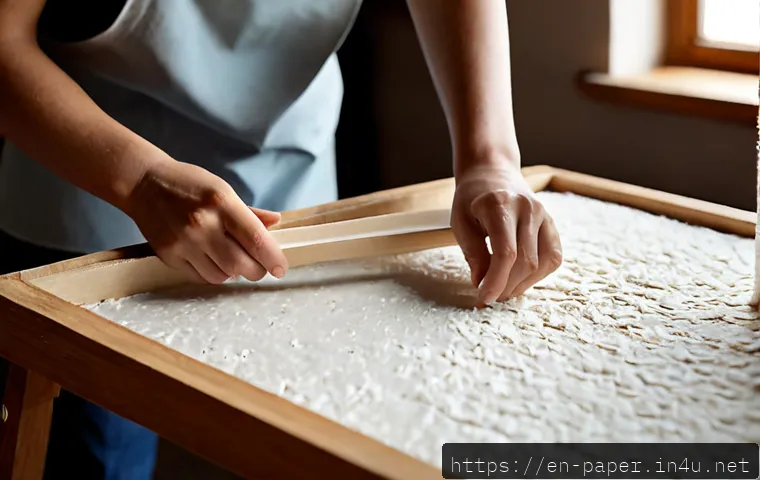
Place the screen or mould into the pulp mixture and lift it as evenly as possible. A level lift helps distribute fibers across the screen. If one edge gathers more pulp, the finished sheet may dry thicker on that side.
Let excess water drain before moving the newly formed sheet. Slow, steady handling matters more than speed at this stage. A beginner papermaking kit can simplify this step by giving you a frame and screen that fit together.
Couch, Press, and Dry Without Tearing
Transfer the wet sheet carefully onto an absorbent surface or cloth. This transfer is often called couching. Pressing removes water and helps the fibers hold together, but rough handling can tear the sheet or pull fibers out of place.
Drying method affects the final surface. A sheet may dry flatter or more textured depending on how it is supported and pressed. Because results vary, make a few samples before planning a larger batch for a specific art project.
Avoid Weak, Warped, or Uneven Results
Why Sheets Become Too Thick, Thin, or Lumpy
Uneven sheets often begin with uneven pulp. Large clumps can create lumps, while sparse areas can become weak spots. Mix the pulp thoroughly, then lift the screen steadily. If the first sheet is not right, adjust the pulp dilution before making several more.
Managing Water, Pressure, and Drying Speed
Too much remaining water can make a sheet difficult to transfer. Too much pressure or abrupt movement can damage it. Drying also deserves patience: a sheet that is moved before it has enough support may warp or tear. The goal is not a single “perfect” method, but a repeatable process for your chosen materials.
Test Paint Absorption Before Starting Final Artwork
Use a small wash of paint on a spare piece. Watch whether color sits on the surface, sinks in quickly, spreads unpredictably, or causes the paper to buckle. Also test ink or a light pencil mark if those are part of your project. A small test sheet is more useful than guessing from appearance.
Adapt the Method for Different Creative Projects
Textured Paper for Collage and Handmade Cards
For collage and cards, texture can be a benefit rather than a flaw. Slight thickness variation, visible fibers, and soft edges can support a handmade look. In these projects, strength and foldability are usually more important to check than watercolor performance.
Smoother Sheets for Ink, Light Drawing, and Simple Prints
If you want a smoother surface, focus on well-prepared pulp and an even sheet formation. Pressing can also help reduce heavy texture. Still, test your chosen ink, pen, or print process first because a homemade sheet may absorb differently across its surface.
Decorative Inclusions: Petals, Fibers, and Color—What to Test First
Petals, threads, plant fibers, and color can make handmade paper visually distinctive. They can also affect sheet strength, surface texture, and paint absorption. Test a small amount before adding inclusions to an entire batch. Colorfastness, storage safety, and long-term appearance of added materials may be unknown.
Selection Criteria and Comparison Summary
Choose DIY Paper When Texture and Process Matter Most
Make your own paper when the creative process is part of the project. It is a good match for a family craft session, a classroom activity, a small set of greeting cards, or collage work where every sheet can look different.
Choose Ready-Made Paper When Consistency and Wet-Media Performance Matter
Choose purchased watercolor paper when you need a more consistent surface for painting. Choose mixed-media paper when you want a convenient general-purpose option for a range of lighter materials. For detailed drawing, compare surface texture before selecting a pad or sheet.
A Final Checklist for Supplies, Time, Quality, and Project Value
Before choosing materials, ask these questions:
- Do I need unique texture or a predictable painting surface?
- Will I use light drawing, collage, ink, or wet watercolor washes?
- Do I have time to form, press, and dry multiple test sheets?
- Am I buying a papermaking kit for repeated use or only one craft project?
- Have I compared paper texture, intended medium, and total setup cost?
If you are shopping, compare the paper weight, texture, included tools, and material details on the relevant product page before choosing a papermaking kit, pulp, or ready-made art paper.
In Closing
Handmade art paper is less about producing identical sheets and more about exploring fiber, texture, and process. It can be a rewarding choice for decorative work and creative experiments. For a painting that needs dependable wet-media behavior, ready-made artist paper remains the more practical baseline. Test first, then choose the material that supports your actual project.
Useful Things to Know
1. A homemade sheet can look strong but still absorb paint unevenly.
2. Added fibers and botanicals can change both appearance and handling.
3. Recycled paper is useful for practice, but its original composition may be unknown.
4. A small batch is the simplest way to refine your pulp and drying process.
Important Notes
Homemade paper varies by fiber type, pulp preparation, thickness, pressing, and drying method. Its archival quality, exact absorbency, and ability to withstand heavy watercolor washes or repeated erasing cannot be assumed. Check the behavior of each batch, particularly when using recycled paper, dyes, botanicals, or other non-paper additions.
Frequently Asked Questions
Q1. Is homemade paper suitable for watercolor painting?
A1. It can be suitable for light watercolor experiments, but performance varies. Test a small wash first to see how the sheet absorbs water, buckles, and handles paint. For important work involving heavy washes or repeated layers, ready-made watercolor paper is generally the more predictable choice.
Q2. Is it cheaper to make art paper or buy watercolor paper?
A2. It depends on the materials available to you, the scale of the project, and whether you will reuse the papermaking tools. Recycled pulp may be useful for low-cost practice, while a mould, screen, press, specialty pulp, and drying supplies add to the overall setup. Compare total setup cost with the number and type of sheets you need.
Q3. What is the best beginner papermaking kit or screen setup for making paper at home?
A3. A beginner-friendly setup should have a screen and frame that fit securely, are easy to handle, and match the sheet size you want to make. Compare the included mould, screen quality, pulp options, and whether the kit provides useful guidance for couching and drying. A simple screen setup can also work for small practice batches if it supports the pulp evenly.